SHOWBOX
LIVE PERFORMANCE RIG WITH BREAKAWAY MIX CONTROL
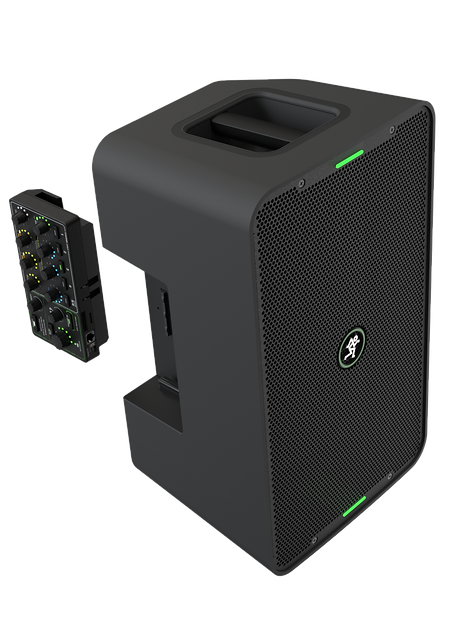
ShowBox was developed as a battery-powered PA and instrument amplifier hybrid designed for independent musicians performing outside traditional venues. The goal was to consolidate the essential tools of live performance—amplification, instrument modeling, vocal effects, and control—into a single, portable system. By reducing setup complexity and allowing control from the performance position, the product aimed to support a more seamless connection between performer and audience
Early development focused on defining the physical architecture of the system. I explored how the I/O panel layout should be oriented for real-world setup, where handles should be positioned for balanced transport, and how the enclosure could support both durability and portability.
Decisions around geometry and layout were driven by usability during setup, stability during use, and the realities of live performance scenarios all while some functional aspects of the electronics were changing on a rapid schedule.


Hardware
This shows some of the pre prototype development of the rear panel layout as functionality increased


Early concepts looked at distinguishing the look of the speaker between the two different modes of use.
Control UX/UI
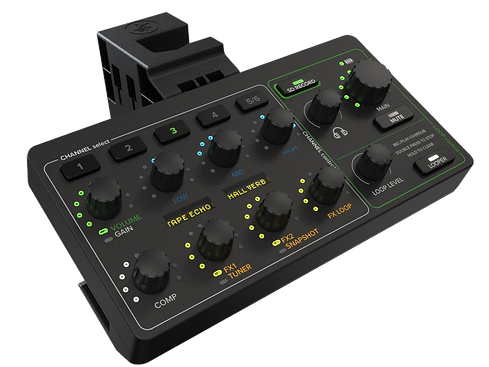
The control interface was developed as a separate investigation due to its variability and system implications. The initial vision included a wireless, removable control unit, allowing performers to adjust levels and effects from their performance position rather than returning to the base speaker.
Because the controller operated independently, careful consideration was given to what functions required remote access and what feedback needed to be communicated clearly. This influenced power budgeting, onboard battery requirements, and the selection of chipsets and memory necessary to meet performance goals without overcomplicating the system.
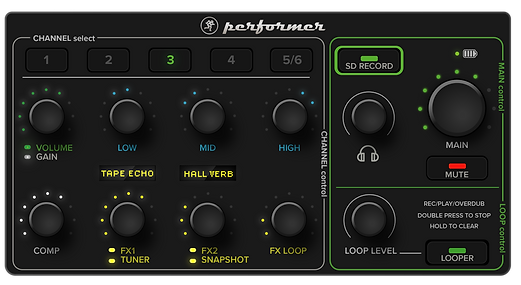


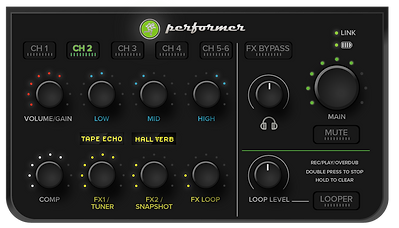
Progression from early layout and flow towards Pilot


Final configuration
As internal architecture and component packaging became more defined, the hardware configuration evolved to better align performance requirements, volume constraints, and usability. The first CNC prototype served as a key validation tool, helping the team evaluate ergonomics and identify workflow friction during real-world setup scenarios.
Through collaborative testing across disciplines, we identified limitations in the original horizontal I/O layout. The panel was ultimately reoriented vertically to better align cable routing with controls and system feedback, reducing deployment time in both PA and busking modes.